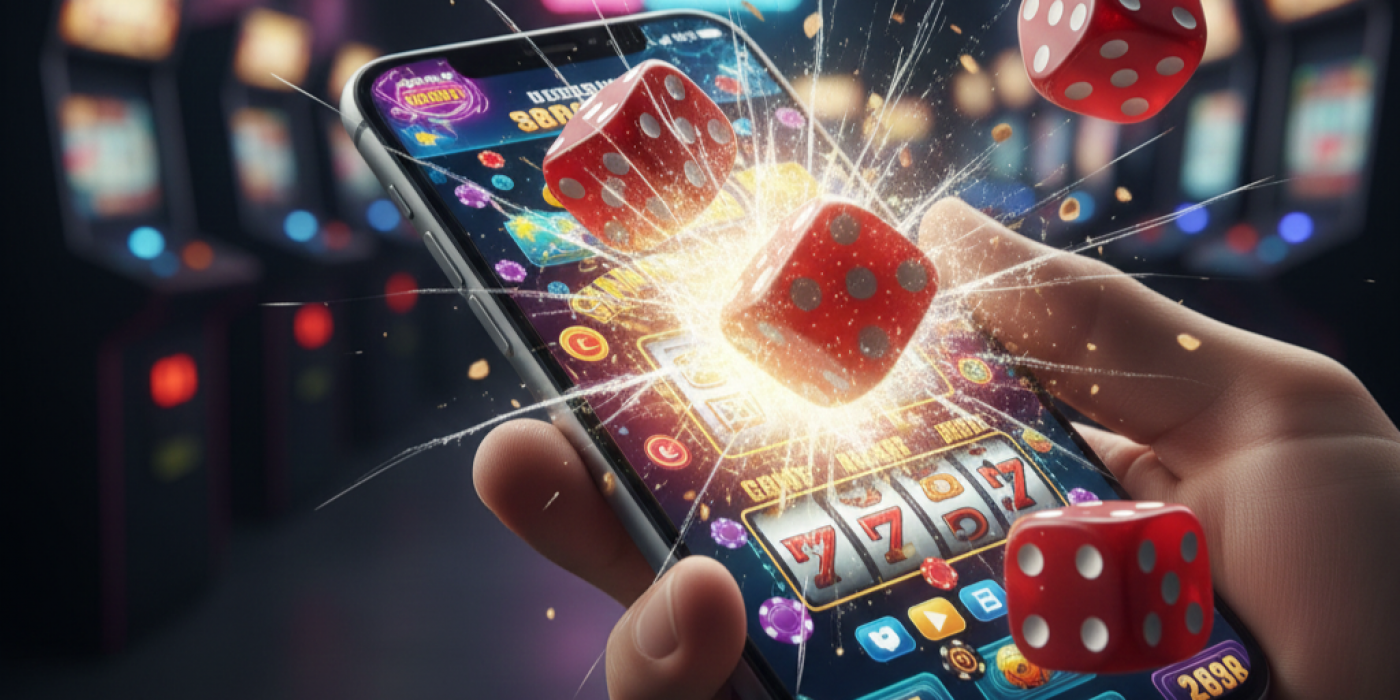
Video games used to operate on a simple one-time purchase model. When I bought a game, I received all of its content. In recent years, however, the video game industry has begun using various ongoing monetization mechanisms to generate profit, where players purchase each additional in-game item individually. These individual purchases are called microtransactions. Data shows that players now spend more money on in-game purchases than on the games themselves.
Today, the most-played games are mostly free-to-play, meaning that they can technically be played without paying anything. But this assumption is often misleading. Developers have discovered that it is far more profitable to give the game away for free and then sell paid content inside the game.
The additional content we can buy includes special skins, avatars, weapons, items, characters, and more. In some games, these items offer a real advantage over other players. In such cases, purchasing extra content is practically necessary if we want to compete. This system is known as *pay-to-win*. In Diablo 4, for example, one player spent over $100,000 on additional content and upgraded their character so much that the game was no longer able to find suitable teammates at their skill level.
Video Games Are Becoming Casinos
It didn’t take long before video games began selling so-called *loot boxes*. Loot boxes are digital crates that can be purchased with real money without knowing what they contain. For example: football simulation games sell loot boxes containing players. When we buy and open a virtual crate, we might get Ronaldo — a very rare player — or a low-tier player from a third division, which is far more likely. In some games, the probability of obtaining rare items can be as low as 0.0008% (1 in 125,000).
Loot boxes are essentially scratch cards that may or may not contain the reward we want. These mechanics introduce elements of gambling into video games, using unpredictable rewards to create the feeling that the next big win is just around the corner.

Why Loot Boxes Can Be Addictive:
- Variable Reward Schedules: This mechanism, well known from gambling and addiction psychology, is extremely effective in promoting repetitive behavior. Since players never know when they’ll get a reward (a rare item), the motivation to “spin again” is maximized.
- Lack of Transparency: Games often do not reveal their drop rates, making it difficult for players to rationally assess the expected value of their purchase. To make this even harder, purchases are carried out using in-game currencies that must first be bought with real money. Example: for €5 in Roblox, we get 400 Robux (the in-game currency). All microtransactions are then done in Robux, reducing our ability to judge how much something actually costs.
Gameplay Becomes Secondary — Gambling Becomes the Core Mechanic
Some games use random item purchases as their main game mechanic. The purpose of buying is no longer to acquire better gear for gameplay, but to collect items themselves. These are known as *gacha games*, and they heavily rely on the psychological phenomenon of the *sunk cost fallacy* — the tendency to keep investing time or money into completing a collection, especially when rare items are time-limited.
“If I’ve already spent this much, I might as well spend a little more to finish the set.”

How to Protect Yourself from Problematic In-Game Spending
Some countries have already taken serious steps to regulate microtransactions. Belgium, for instance, classified loot boxes as gambling in 2018 and introduced strict regulations. Developers were forced to release special versions of their games in Belgium that either removed these mechanics or disabled real-money purchases.
At Logout, we increasingly observe players expressing excitement and a strong urge to make in-game purchases. We’ve even seen cases where people spent thousands of euros. This is especially risky for young players, who lack a clear understanding of money management. Problematic video game spending in youth is also linked to a higher likelihood of gambling issues later in life.
Strategies for Protection
- Adopt a “No Spending” mindset: Let free games truly remain free. Research shows that the *first purchase* is the most important tipping point—once you buy once, the likelihood of buying again increases significantly. That’s why games often offer extremely enticing first-purchase deals.
- Understand the real cost of items: Convert in-game prices back into real money and compare them to what you could buy in the physical world. This is especially important with loot boxes, where there is no guarantee you’ll receive the item you want.
- Focus on the actual gameplay instead of the gambling elements: If you play games that include these mechanics, direct your attention to the skill-based, creative, or story-based aspects—not the gambling features. Games should remain games, and casinos should remain casinos — places that are not accessible to minors. Save your money for joys away from the screen.
*Images generated using Gemini
Share on: